
In today’s rapidly evolving digital economy, enterprises are under constant pressure to deliver seamless, scalable, and personalized shopping experiences across multiple channels. Traditional eCommerce architectures often fall short when it comes to flexibility and performance. This is where headless commerce emerges as a transformative solution.
What is Headless Commerce?
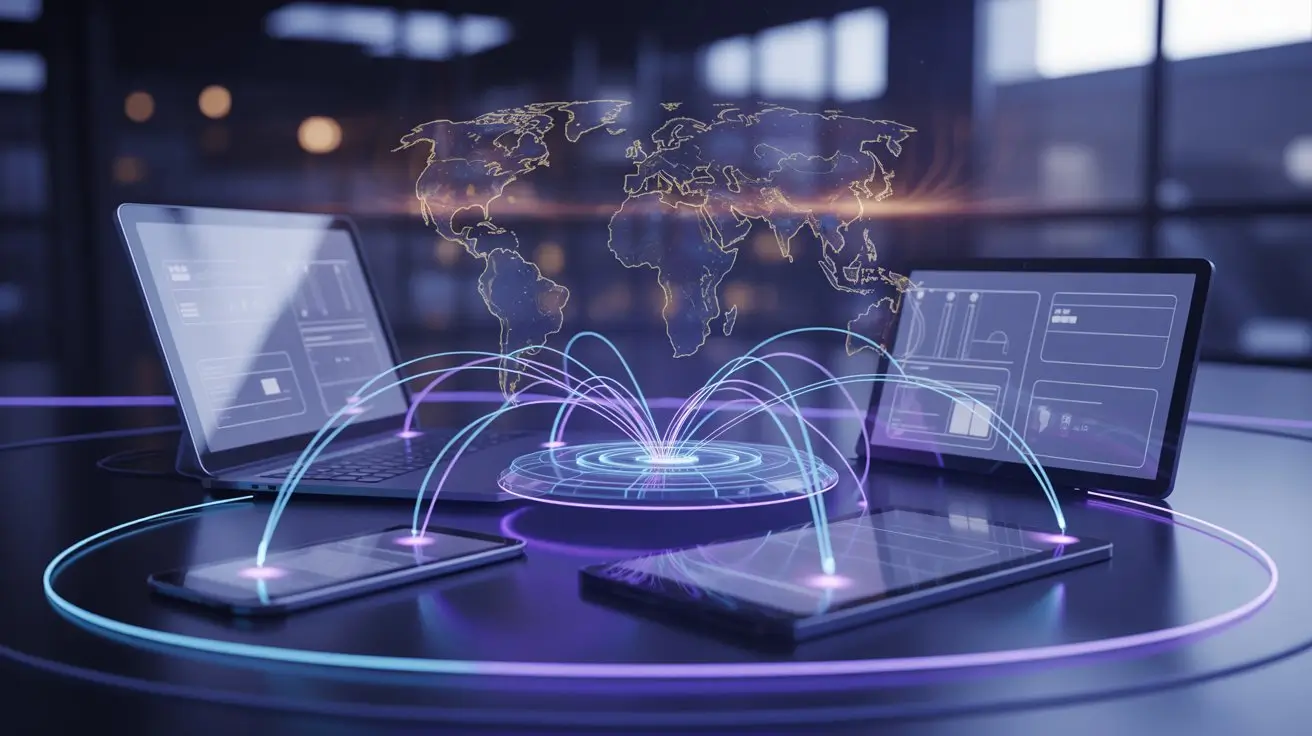
Headless commerce is an architectural approach where the front-end (presentation layer) is decoupled from the back-end (commerce engine). This allows businesses to deliver content and commerce experiences across websites, mobile apps, IoT devices, and more through APIs.
Unlike monolithic systems, headless commerce enables enterprises to innovate faster, customize freely, and scale without limitations.
Why Enterprises Are Moving Toward Headless Solutions
1. Omnichannel Experience
Modern consumers interact with brands across multiple touchpoints. Headless commerce allows you to deliver consistent experiences across web, mobile, social platforms, and even emerging channels like smart devices.
2. Enhanced Performance
By separating the front-end from the back-end, developers can optimize each layer independently, resulting in faster load times and improved user experience.
3. Flexibility & Customization
Enterprises are no longer restricted by rigid templates. With headless architecture, businesses can design unique user interfaces tailored to their audience and market needs.
4. Faster Time-to-Market
Teams can work in parallel on front-end and back-end development, significantly reducing deployment time for new features and updates.
5. Scalability for Global Growth
Headless solutions are designed to scale effortlessly, making them ideal for enterprises expanding into international markets with diverse customer requirements.
Key Components of a Headless Commerce Stack
- Frontend Frameworks (React, Vue, Next.js)
- Backend Commerce Engine (Shopify Plus, Magento, BigCommerce APIs)
- Content Management System (CMS)
- API Layer
- Cloud Infrastructure & CDN
Use Cases for Global Enterprises
- Multi-region eCommerce platforms with localized experiences
- B2B and B2C hybrid commerce models
- High-traffic brands requiring fast and scalable systems
- Businesses needing deep integrations with third-party services
Challenges to Consider
While headless commerce offers numerous advantages, it also comes with complexities:
- Higher initial development cost
- Need for skilled development teams
- Integration and maintenance overhead
However, for enterprises aiming for long-term scalability and innovation, the benefits far outweigh the challenges.
Why Choose Nexon Solutions?
At Nexon Solutions, we specialize in building custom headless commerce solutions tailored to your business goals. Our team focuses on delivering:
- High-performance, scalable architectures
- Seamless API integrations
- Custom UI/UX design
- Enterprise-grade security
We help businesses transition from traditional systems to modern, flexible commerce ecosystems that drive growth and innovation.
Final Thoughts
Headless commerce is not just a trend — it is the future of digital commerce. Enterprises that adopt this architecture gain a competitive edge by delivering faster, smarter, and more personalized experiences.
If you are looking to scale globally and future-proof your eCommerce business, investing in custom headless commerce solutions is a strategic move.